


Author: Joruni Ambus; Published Date: 6th March 2025
Potential, Challenges and Knowledge Needs for Reforestation with Native Tropical Rainforest Trees
Sapulut Forest Development Sdn Bhd (Sapulut) was honored to be chosen as one of the destinations for the workshop participants, organized jointly by Yayasan Sabah and the Swedish University of Agricultural Sciences, to visit the Sapulut’s Forest Plantation on February 15th. Despite the windy and hot weather conditions, the day began with a tour of Compartments 199, Blocks 3A and 3B, where the entourage had the opportunity to observe an 11-month-old Laran (Neolamarckia cadamba) plantation. The size of the Laran trees at this age was truly impressive. Along the route, they also noted the presence of Red Laran (N. macrophylla) and Eucalyptus pellita plantation, further adding to the diversity of the site.
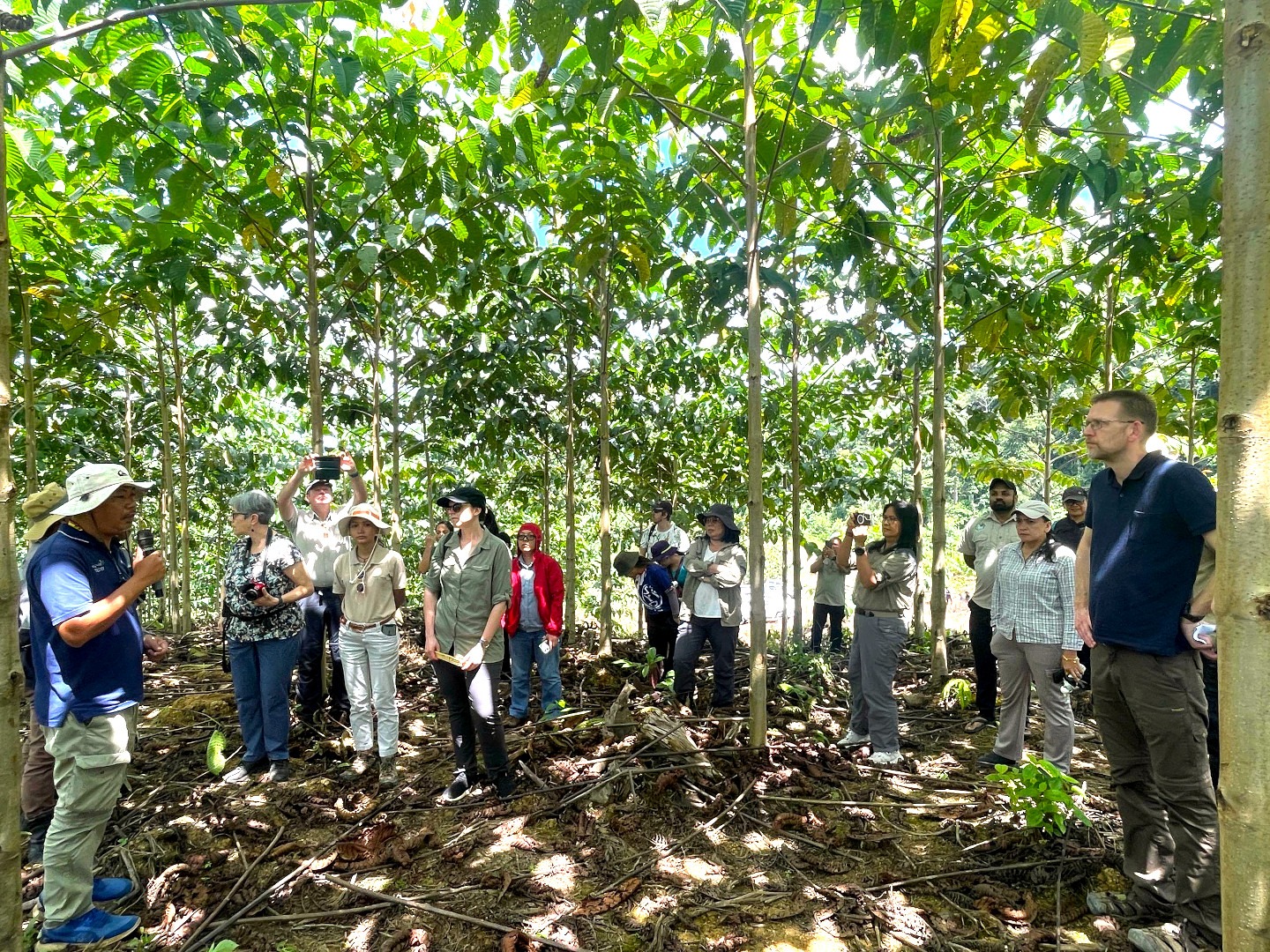
The group, which included forestry professionals, researchers, conservationists, and agriculture science students from the Swedish University, as well as local Sabahan participants, was enthusiastic about learning how Sapulut manages its Industrial Tree Plantation (ITP).
The discussions during the visit focused on several key aspects of the plantation. Participants learned about the maintenance regime for Laran plantations, exploring the steps taken to ensure their growth and health. The group also examined the conservation actions implemented within the ITP framework, emphasizing the importance of balancing the economic benefits of commercial tree plantations with ecological preservation.
This included discussions on the High Conservation Value Area within the Sapulut Forest Management Unit, the buffer zone, and the steep, sloped areas in the industrial tree plantation zone.
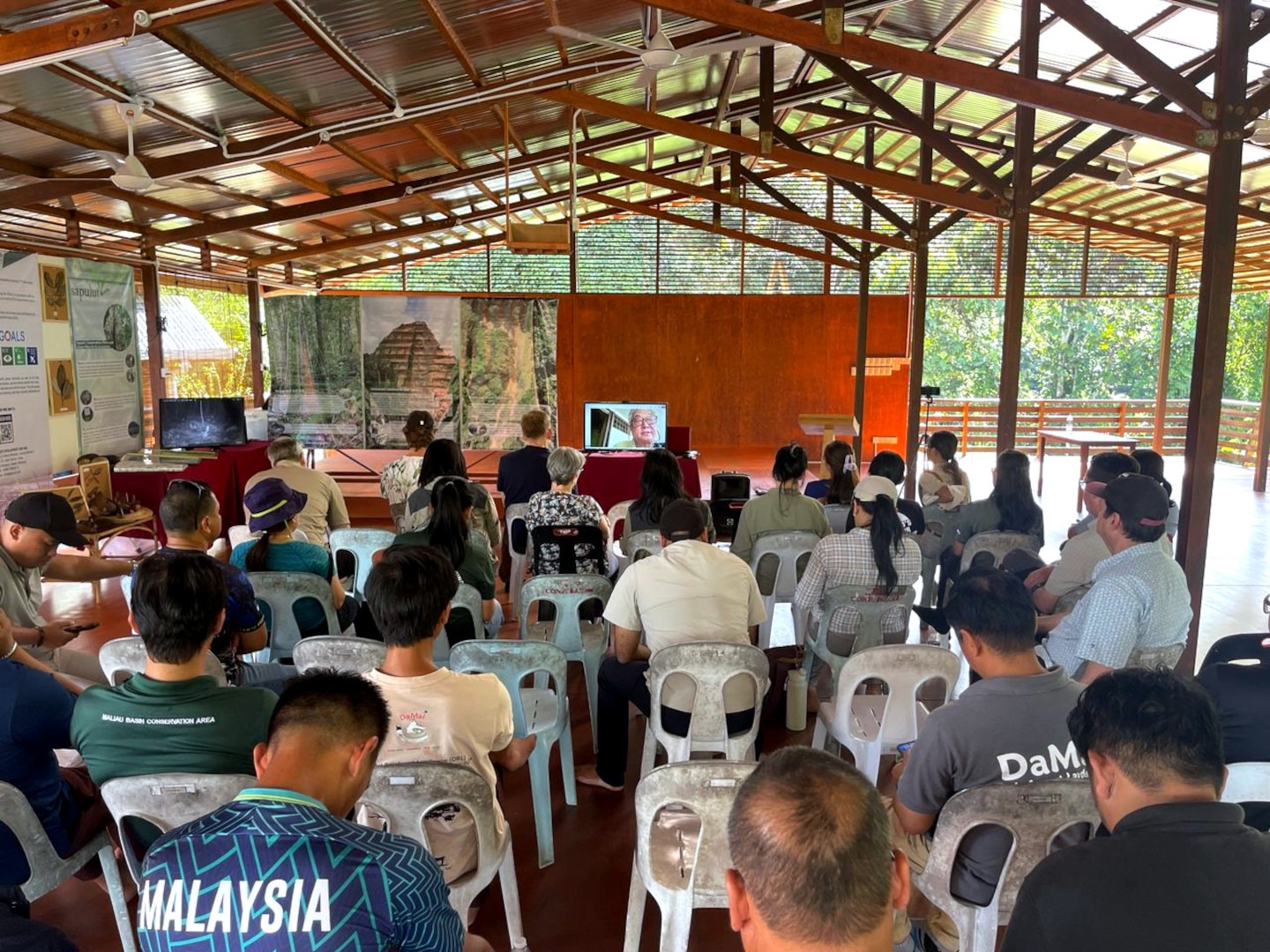
Additionally, participants expressed strong interest in the strategies for seed acquisition. Sustainability measures were also discussed, highlighting the need for careful planning to ensure long-term sustainability in forest management, including the involvement of the local community as workers. The group arrived at the Forestry Complex open hall at 2:00 PM, where they enjoyed lunch before attending an informative session. Mr. Norman Wong, the Managing Director of Sapulut, delivered a presentation that emphasized the importance, strategies, opportunities, and challenges of Sabah’s Industrial Tree Plantations.
Nursery Visit and Laran Cultivation Presentation
After the session, the group visited the nursery, where they attended a presentation on Sapulut’s nursery management, focusing on Laran cultivation. The presentation covered key steps, including fruit collection, processing, sowing, transplanting, grading, and seedling preparation for field planting within the Sapulut ITP.
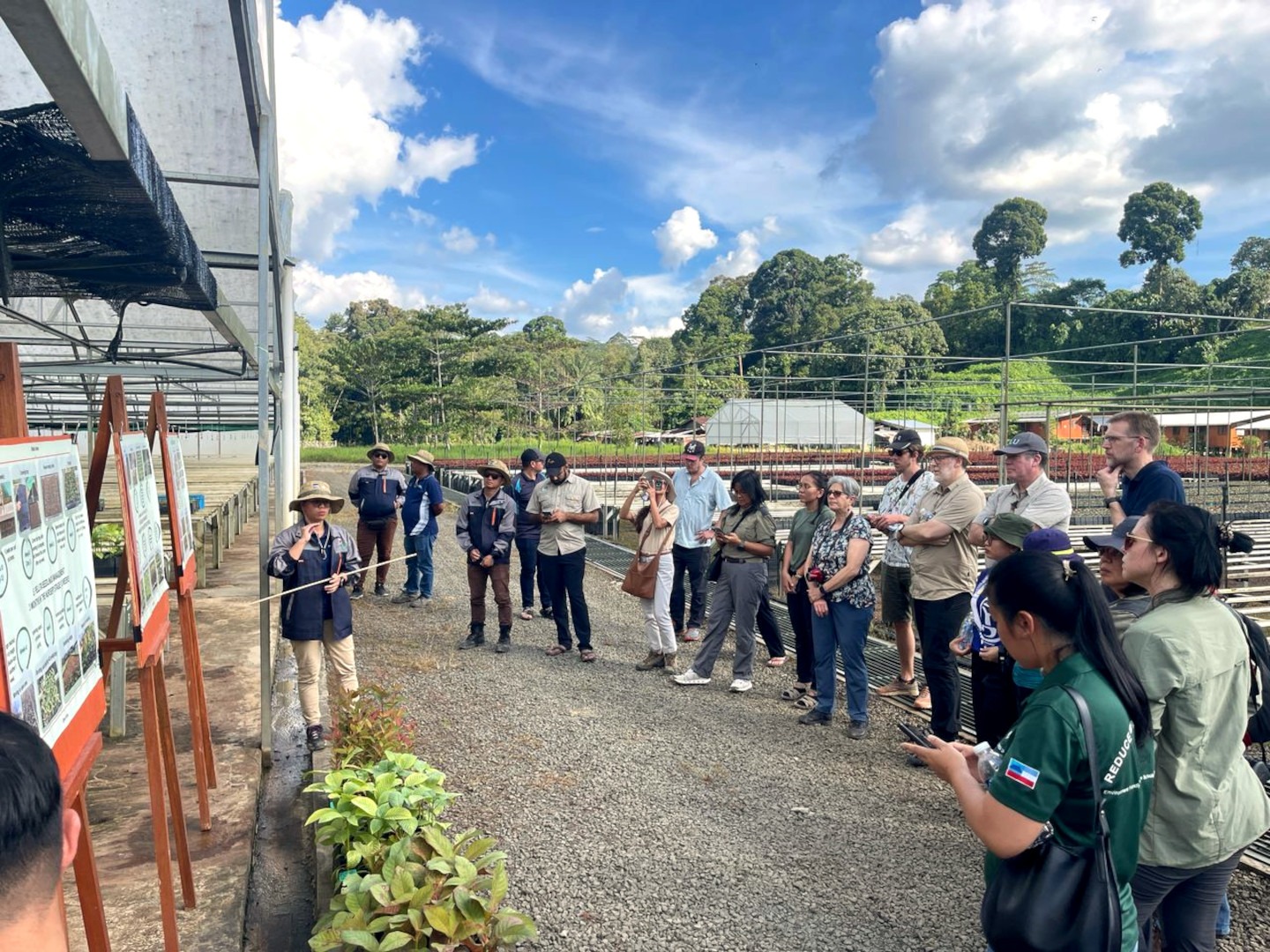
Participants also had the opportunity to compare Red Laran and White Laran seedlings at the nursery stage. As many were unfamiliar with Laran species for industrial plantations, the information provided valuable insights. A lively discussion followed, addressing challenges related to seedling survival, adaptation strategies, and best practices in nursery operations. This experience deepened participants’ understanding of the complexities of reforestation and the potential of using local species for large-scale projects.
The field visit to Sapulut offered an invaluable learning experience for the participants, particularly the foreign entourage from the Swedish University. It served as an excellent platform for knowledge exchange.
By exploring Laran plantations, engaging in discussions on forest plantation strategies, and attending informative sessions on sustainable Industrial Tree Plantations (ITP), the participants gained practical insights into balancing economic forestry with ecological preservation. The nursery visit further enhanced their understanding by showcasing the cultivation of Laran seedlings and demonstrating best nursery practices. This reinforced the importance of species selection, adaptation strategies, and sustainable forest management. Overall, the visit highlighted the potential of local species like Laran in commercial plantations and emphasized the critical role of responsible forestry practices in ensuring long-term environmental and economic sustainability.
Compartment 199 (Block 3A) Session


Presentation session by Mr. Norman Wong, Managing Director of Sapulut


Nursery Practiced in Nursery Management presentation.


